
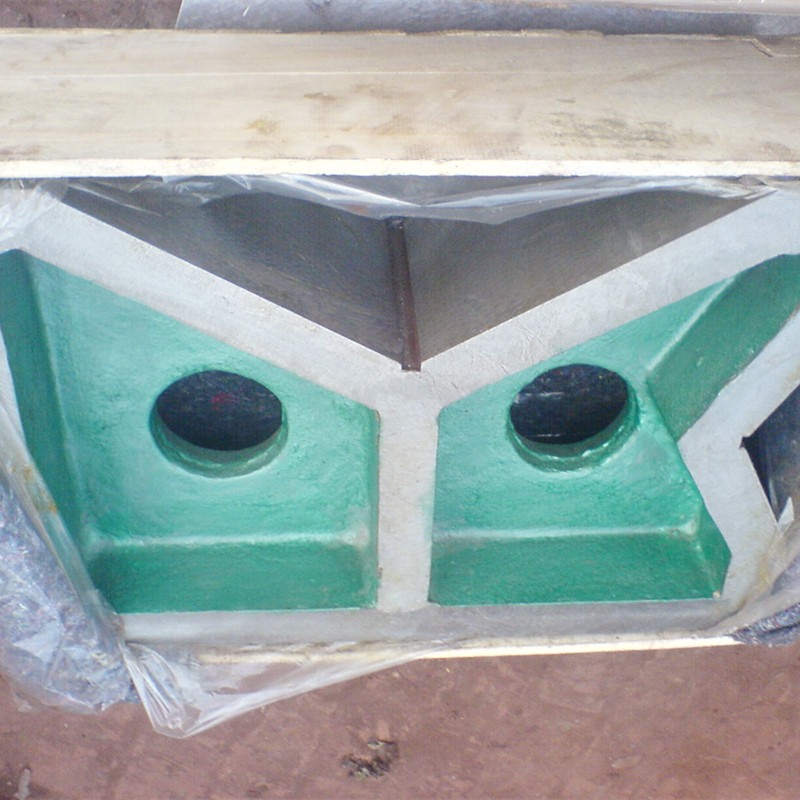
outdoor glass panels
The aerospace industry operates under stringent quality control standards to ensure the safety, reliability, and performance of aircraft components. Even the slightest deviation in part dimensions can lead to catastrophic failures, making precision measurement tools indispensable. Among these tools, snap ring gage , steel ring gauge , standard ring gauge , and gauge meant ring play pivotal roles in verifying the conformity of critical components. This article explores how these specialized instruments contribute to aerospace quality assurance, emphasizing their design, applications, and importance in maintaining industrial compliance. Precision Measurement with Snap Ring Gage in Aerospace Components A snap ring gage is a go/no-go gauge designed to measure the internal or external diameters of grooves, snap rings, and retaining rings. In aerospace manufacturing, these components secure bearings, shafts, and other rotating parts, ensuring they remain fixed under extreme operational stresses. The snap ring gage validates whether the groove dimensions fall within acceptable tolerances, preventing assembly errors that could compromise structural integrity. Aerospace applications demand gages with minimal thermal expansion and high wear resistance. Manufacturers often use hardened steel or carbide-tipped snap ring gage designs to withstand repetitive use in high-volume production environments. For instance, turbine engine assemblies require snap rings to hold blade assemblies in place, and a miscalibrated gage could result in improper seating, leading to engine failure. By integrating snap ring gage systems into automated inspection lines, aerospace suppliers achieve rapid, repeatable measurements while adhering to AS9100 quality management standards. Steel Ring Gauge: Durability for High-Stress Environments The steel ring gauge is a cornerstone of dimensional inspection in aerospace due to its robustness and longevity. Crafted from high-grade tool steel or stainless steel, these gages resist deformation, corrosion, and wear—critical traits for environments exposed to temperature fluctuations, hydraulic fluids, and mechanical stress. In landing gear manufacturing, for example, steel ring gauge tools verify the inner diameters of axle housings. These components must align perfectly with wheel bearings to avoid uneven load distribution during takeoff and landing. A steel ring gauge ensures that each housing meets precise specifications, reducing the risk of premature wear. Additionally, the magnetic properties of certain steel alloys allow for integration with automated sorting systems, streamlining quality control workflows in large-scale production facilities. Standard Ring Gauge: Ensuring Universal Compliance in Aerospace A standard ring gauge serves as a master reference for calibrating other measurement devices, such as micrometers and bore gauges. Traceable to national or international standards like NIST (National Institute of Standards and Technology), these gages guarantee that all inspection tools within a production line adhere to unified accuracy benchmarks. Aerospace manufacturers rely on standard ring gauge sets to maintain consistency across global supply chains. For instance, a turbine disk sourced from one supplier must seamlessly integrate with a shaft produced elsewhere. By calibrating inspection tools using a common standard ring gauge , companies eliminate dimensional discrepancies that could delay assembly or necessitate rework. Furthermore, regular audits using these gages help aerospace firms comply with FAA and EASA regulations, which mandate rigorous documentation of measurement traceability. FAQs About Gauge Meant Ring in Aerospace Applications What is the primary function of a gauge meant ring in quality control? A gauge meant ring is a specialized tool used to verify the dimensional accuracy of cylindrical parts, such as engine pistons or hydraulic cylinders. It ensures that components meet predefined tolerances before they are approved for assembly. How does a steel ring gauge differ from a carbide gauge? A steel ring gauge is typically more cost-effective and suitable for general-purpose inspections, while carbide gauges offer superior hardness for high-wear applications. Both are vital in aerospace, but material choice depends on the inspection frequency and environmental conditions. Can a standard ring gauge be used to calibrate a snap ring gage? Yes. Master standard ring gauge sets are often used to calibrate snap ring gage tools, ensuring their measurements remain traceable to international standards. Why is material choice critical for a gauge meant ring? Aerospace components operate in extreme conditions, so the gauge meant ring must resist thermal expansion, corrosion, and mechanical wear to maintain measurement accuracy over time. How often should a steel ring gauge be recalibrated? Recalibration intervals depend on usage frequency, but aerospace manufacturers typically recalibrate steel ring gauge tools every 6–12 months to comply with quality management protocols. In aerospace quality control, precision measurement tools like the snap ring gage , steel ring gauge , standard ring gauge , and gauge meant ring are non-negotiable for ensuring component reliability. These instruments enable manufacturers to uphold tolerances measured in microns, mitigate risks of in-flight failures, and meet rigorous regulatory demands. As aerospace systems grow more complex, the role of these gages will only expand, solidifying their status as indispensable assets in the pursuit of aviation excellence.
about
outdoor glass panels
Level Factory A Cutting-Edge Approach to Optimizing Manufacturing Processes In an era defined by rapid technological advancements and increasing competition, manufacturers are continually seeking innovative solutions to optimize their production processes. One such solution is the concept of a Level Factory. This strategic approach leverages a combination of advanced technologies, lean manufacturing principles, and a focus on continuous improvement to enhance efficiency, improve product quality, and reduce waste. Understanding the Level Factory Concept At its core, a Level Factory refers to a production environment where processes are standardized and harmonized to achieve a consistent flow of goods. The goal is to create a balanced system where production rates are synchronized with demand, reducing fluctuations that can lead to overproduction or underutilization of resources. This alignment not only improves efficiency but also enhances the overall responsiveness of the manufacturing operation. The concept is heavily influenced by lean manufacturing principles, which emphasize the elimination of waste in all forms. In a Level Factory, waste is identified and addressed systematically, whether it’s excess inventory, unnecessary movement, or waiting times. By creating a more streamlined production process, manufacturers can achieve higher throughput without compromising quality. The Role of Technology Embracing technology is a crucial aspect of establishing a Level Factory. Advanced manufacturing technologies such as automation, robotics, and data analytics play a significant role in optimizing production processes. Automated systems can perform repetitive tasks with precision, reducing the likelihood of human error and increasing output rates. Additionally, the integration of Internet of Things (IoT) devices allows for real-time monitoring of equipment and processes, enabling manufacturers to identify bottlenecks and optimize operations on-the-fly. Data analytics also provides valuable insights into production trends and performance metrics. By analyzing historical data, manufacturers can make informed decisions about resource allocation, maintenance schedules, and production planning. This data-driven approach ensures that operations remain agile and adaptable to changing market demands. level factory Continuous Improvement Culture Another critical aspect of the Level Factory model is the emphasis on a culture of continuous improvement. Employees are encouraged to identify inefficiencies and propose solutions. This empowerment fosters a sense of ownership and accountability among team members, leading to innovative ideas that can drive process enhancements. Techniques such as Kaizen, which focuses on small, incremental changes, can be employed to cultivate this culture. Regular training programs ensure that all team members are equipped with the skills needed to contribute to the factory's optimization efforts. By investing in employee development, manufacturers not only enhance their workforce's capabilities but also boost morale and job satisfaction. A motivated team is more likely to buy into the company's vision and strive for excellence. Sustainability and Social Responsibility The Level Factory approach also aligns with the growing emphasis on sustainability and social responsibility in manufacturing. By minimizing waste and optimizing resource utilization, manufacturers can significantly reduce their environmental impact. Furthermore, a Level Factory can implement practices that promote ethical labor standards and community involvement, contributing to a positive corporate image. Consumers are increasingly inclined to support brands that prioritize sustainability and ethical practices. By adopting a Level Factory model, manufacturers can not only enhance their operational efficiency but also meet the rising expectations of socially conscious consumers. Conclusion The Level Factory represents a transformative approach to modern manufacturing. By integrating advanced technologies, fostering a culture of continuous improvement, and prioritizing sustainability, manufacturers can achieve significant gains in efficiency and product quality. In a dynamic market landscape, the ability to adapt swiftly to changing demands while minimizing waste is a competitive advantage that no manufacturer can afford to overlook. As the industry continues to evolve, embracing the principles of the Level Factory will undoubtedly be a critical factor in achieving long-term success.
-

High quality industrial productsagement

High quality industrial products
View Details -

Meet the diverse needs of customers

Meet the diverse needs of customers
View Details -

Strict quality control

Strict quality control
View Details -

Top raw materials

Top raw materials
View Details -

Trusted supplier

Trusted supplier
View Details
Our application

news and information

welding inspection ruler
The Importance of Welding Inspection Rulers in Quality Control In the world of manufacturing and con
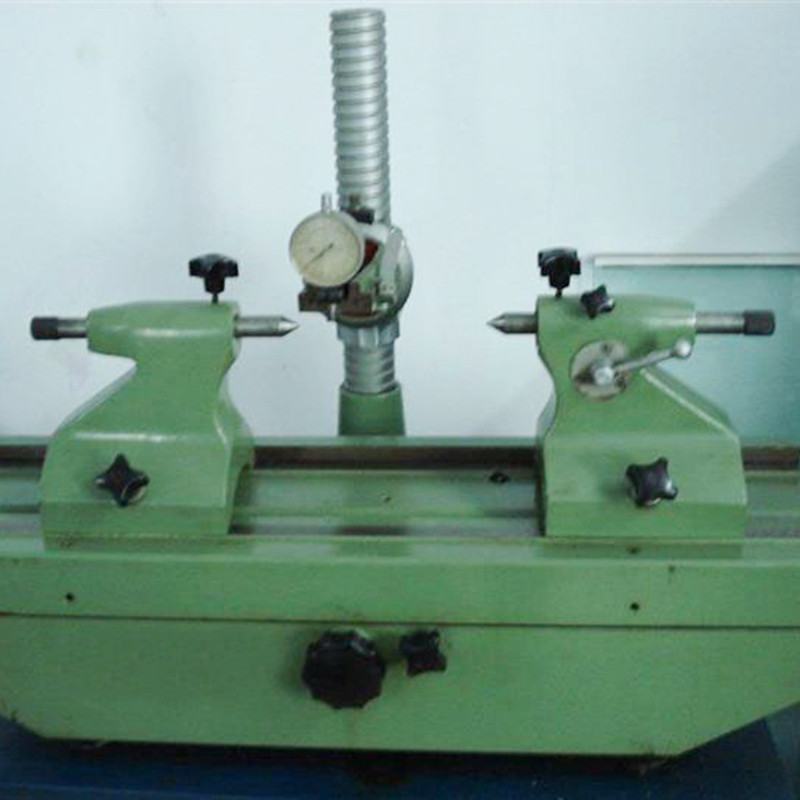
Vee Blocks for Sale - Premium Quality & Competitive Prices
Vee Blocks for Sale A Comprehensive Guide If you are in the manufacturing, engineering, or quality c
Vérification de la performance des vannes de silencieux pour un fonctionnement optimal
La Valeur du Soupape de Silencieux Un Élément Clé dans les Systèmes Hydraulique La soupape de silen
 English